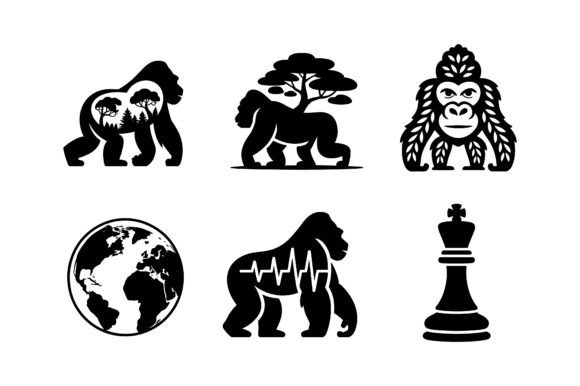
Wildlife Conservation Research Icons: A Designer’s Real-World Test
As an embroidery designer with years of experience in creating and reviewing digital design assets, I always look for projects that offer both visual impact and functional versatility. Wildlife Conservation Research Icons caught my attention not just because of its theme, but because it presents a unique opportunity to combine purposeful messaging with creative expression. Let me walk you through how this icon set fits into real-world embroidery applications and what to consider before using it on your next project.
A Clean, Purposeful First Impression
The first thing I noticed about Wildlife Conservation Research Icons is the mood it creates—thoughtful, educational, and subtly inspiring. The silhouettes are minimalist yet intentional, each one conveying a clear message without overwhelming the viewer. This makes them ideal for handmade products where subtlety and symbolism can speak louder than words.
From a design perspective, the icons feel modern and versatile. They’re not overly detailed, which is great for machine embroidery where stitch density and fabric compatibility are key concerns. The layout suggests they were created with spacing and scalability in mind, something that's essential when designing for multiple product types like tote bags or sweatshirts.
Where These Icons Shine
I’ve been working on a custom embroidered patch for a local nature conservation group, and these icons have become central to the design. Their simplicity allows them to be stitched clearly on medium-weight cotton blends, while their conceptual nature gives room for creativity in placement and color choices.
- Custom Apparel: Whether it’s a sweatshirt or t-shirt, these icons add a subtle but meaningful touch. For example, placing a silhouette of a tree or endangered species on a long-sleeve hoodie feels both stylish and purposeful.
- Baby Items: The clean lines and lack of intricate details make them perfect for baby clothes or nursery decor. No tiny lettering or delicate features that might distort during stitching or after repeated washing.
- Tote Bags: As a craft business owner, I often create tote bag designs for eco-conscious clients. These icons work beautifully as standalone graphics or grouped together for a more impactful statement.
- Commercial Projects: If you're an Etsy seller or small shop owner looking to expand your product line with something educational and visually appealing, this set offers a fresh angle. It could easily be used in printable mockups or digital embroidery files for resale, provided licensing terms allow it.
Real-Life Embroidery Performance
When I tested Wildlife Conservation Research Icons on a sample sweatshirt, the results were impressive. The silhouettes maintained their shape and clarity even after several passes with different thread colors. I found myself experimenting with combinations—using black thread on white fabric for a stark contrast, and then switching to pastel tones for a softer, more approachable look.
In a holiday gift setting, such as an embroidered tea towel or apron, the design adds a layer of intentionality. Customers who value sustainability and education respond well to this kind of storytelling through stitchwork. The visual personality of the icons aligns well with handmade presentation, especially if paired with simple typography or natural motifs.
One thing I appreciate is how the icons scale across various hoop sizes. While the exact dimensions aren’t specified, they appear adaptable enough to fit into standard hoops. However, I recommend confirming the recommended hoop size and stitch count before committing to a production run, especially for commercial embroidery purposes.
Design Notes for Best Results
- Test on Scrap Fabric First: Always do a test run. Especially with new machine embroidery designs, it’s important to see how the stitch definition holds up on your preferred materials.
- Check Thread Color Contrast: Because the icons rely on silhouette shapes, thread color choice becomes crucial. Lighter threads will pop against dark fabrics, while darker ones may need a backing or stabilizer to show up clearly.
- Review Stitch Density: Look at areas where the silhouette is filled in—these should use a balanced satin stitch or fill stitch pattern to avoid puckering, particularly on stretchier or thinner fabrics.
- Confirm Licensing Before Selling: If you plan to use these icons in commercial design assets, ensure you understand the licensing terms. Many icon sets come with restrictions that vary based on usage type.
- Use Proper Stabilizer: On lightweight or textured materials, adding a cutaway or tear-away stabilizer beneath the design helps maintain stitch integrity and sharpness.
Where to Use with Caution
While these icons are versatile, there are a few situations where extra care is needed:
- Small Hoop Sizes: Some of the more complex silhouettes may lose clarity if shrunk too much. Be sure to check how the design looks when scaled down to fit smaller items like caps or patches.
- Stretchy or Textured Fabrics: The lack of fine detail works well here, but stitch distortion can still occur. Stick to woven or tightly knit materials for best results.
- Dark Backgrounds: Silhouettes on dark fabric can appear flat unless you add a subtle outline or shadow effect. This requires careful planning in the embroidery file itself.
- Products That Need Frequent Washing: Dense stitch areas may fray over time, especially if using all-purpose thread. Opt for high-quality embroidery thread and reinforced stabilizers in such cases.
Visual Appeal and Brand Value
What I love most about Wildlife Conservation Research Icons is how they enhance the visual appeal of any project without being overpowering. They don’t scream for attention; instead, they invite curiosity and reflection. This is especially valuable for non-profits or educators looking to communicate a message through custom apparel or signage.
Using these icons also elevates the product value. As a designer and reviewer, I've seen firsthand how a thoughtful, thematic embroidery design can increase customer trust and perceived quality. People recognize the effort behind the design and are more likely to engage with the finished product—whether it's a holiday gift or a boutique branding item.
Final Thoughts for Crafters and Designers
For those of us in the craft business, finding graphics that resonate emotionally while remaining practical is a win. Wildlife Conservation Research Icons does this well. The design doesn’t just look good—it tells a story. And in the world of handmade goods, that kind of narrative can be a powerful selling point.
That said, remember to treat every embroidery project as a unique challenge. What works perfectly on a cotton tote might behave differently on a stretchy baby sweater. So take time to review stitch density, fabric texture, and thread contrast. Also, consider how the design interacts with other elements in your composition—like text or additional decorative accents.
If you're an Etsy seller or someone creating personalized gifts, these icons offer a fresh way to stand out from the crowd. They’re not trendy or flashy, but they are timeless and meaningful. And in today’s market, that kind of brand consistency can go a long way.
Overall, I’d say Wildlife Conservation Research Icons is a solid addition to any designer’s collection. Just like any machine embroidery design, it needs to be handled with awareness and intention—but when done right, it brings both beauty and purpose to your work.