The Best Hardware Vertical Flyer for Modern Print and Web Design
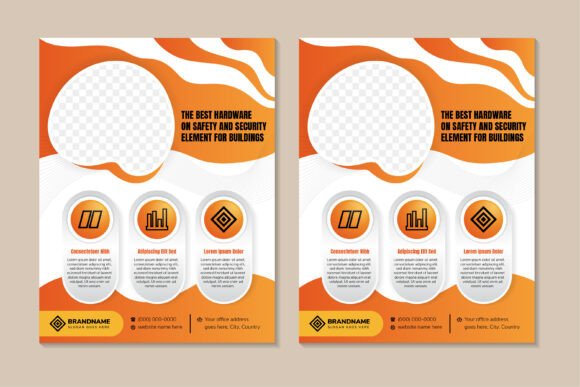
As an experienced blog designer and digital publisher, I recently reviewed The Best Hardware Vertical Flyer as a potential graphic design asset for upcoming editorial and content publishing projects. This design immediately caught my attention with its clean layout, strategic use of infographic elements, and strong emphasis on safety and security themes—key components when building visual trust in the construction or hardware niche.
A Fresh Editorial Mood with Strong Brand Implications
From the first glance, The Best Hardware Vertical Flyer presents a professional yet approachable mood that leans into modern design principles. It’s not overly decorative, but it does offer enough visual interest to stand out without overwhelming the viewer. The focus on hardware and safety gives it a clear editorial identity, making it ideal for niches like home improvement, construction services, or industrial product marketing.
Its aesthetic feels corporate but accessible, which is perfect for businesses aiming to project reliability and expertise. The line-based infographic style suggests a data-driven or educational angle, something that aligns well with content upgrades, downloadable guides, and even lead magnets centered around safety protocols or product comparisons.
Visual Communication That Works Across Platforms
This flyer template isn’t just a pretty picture—it's built with purpose. The structured layout ensures that key information is front and center, while the photo space allows for impactful imagery that can anchor your message. Whether you're using it as a Pinterest pin, a blog header, or part of a digital guide, the design supports clarity and quick comprehension.
I especially appreciated how the vertical format adapts well to social media platforms. In today’s fast-scrolling world, visuals that are optimized for mobile screens have a huge advantage. This template makes it easy to create engaging content that maintains a strong visual hierarchy, guiding the reader’s eye from headline to call-to-action seamlessly.
Real-World Applications in Content Publishing
The Best Hardware Vertical Flyer is incredibly versatile for real website and editorial use. Here are several ways I’ve already considered integrating it into our workflow:
- Blog Featured Images: Its bold structure and clear focal points make it an excellent candidate for featured images on content marketing websites focused on hardware or construction.
- Pinterest Graphics: With a vertical aspect ratio and infographic-style elements, this design works beautifully for Pinterest, where high-quality, scroll-stopping visuals are essential.
- Newsletter Headers: The flyer’s clean layout translates well into newsletter headers, helping establish a consistent brand identity across email campaigns.
- Digital Guides & Lead Magnets: Ideal for creating downloadable resources such as safety checklists, equipment buying guides, or DIY tutorials that readers can print or save.
- Lead Magnet Banners: The A4 brochure design fits perfectly into opt-in banners or pop-ups designed to drive sign-ups for free digital downloads.
- Website Hero Sections: When adapted for web use, the template can serve as a hero image or category thumbnail, reinforcing your site’s brand identity instantly.
- Social Media Previews: From Instagram Stories to Facebook posts, the vertical format is a natural fit for cross-platform sharing, ensuring your content looks polished everywhere it lands.
Why This Template Enhances Content Performance
Incorporating The Best Hardware Vertical Flyer into your design assets can significantly boost the performance of your content. Let’s break down why:
- Strong First Impressions: The modern, crisp look of this flyer helps capture attention quickly—critical for standing out in crowded feeds and search results.
- Clear Visual Hierarchy: Information is organized in a way that makes it easy for readers to digest at a glance, improving engagement and reducing bounce rates.
- Better Click-Through Potential: When used in blog thumbnails or social media previews, the design encourages curiosity and interaction due to its bold, structured layout.
- Consistent Branding: Repeated use of this flyer across different content formats (from print templates to digital ads) reinforces your brand’s visual identity, making your content more recognizable.
- Improved Reader Trust: The inclusion of safety and security elements subtly signals professionalism and reliability—both of which are crucial in niches like construction and hardware.
- Enhanced Category Recognition: If you're running a multi-niche blog or affiliate site, this flyer can help distinguish hardware-related sections clearly, increasing user navigation efficiency.
Where This Asset Shines Brightest
While this flyer is flexible, it performs best in certain areas of your content strategy. Here are the top use cases:
- Hero Images: The bold lines and infographic elements work well in large-scale hero sections where you want to highlight core messages.
- Article Thumbnails: Especially on platforms like Medium or WordPress, this flyer’s vertical orientation makes it a great choice for thumbnails that need to pop visually.
- Editorial Accents: Use it to break up long-form content or as a sidebar graphic to emphasize key takeaways or product highlights.
- Content Upgrades: Pair it with a short blog post about hardware tools or construction tips to create a compelling printable resource for your audience.
- Downloadable Resources: Perfect for turning into PDFs or Canva templates for clients who need ready-to-use materials for events, promotions, or internal training.
- Newsletter Headers: Reinforce your brand’s message each time your subscribers open their inbox with a flyer that feels both informative and trustworthy.
- Media Kits: As part of a small business branding toolkit, this flyer adds a professional touch to press releases or promotional collateral.
When to Use It with Caution
Even the best graphic design assets have limitations. Here are a few scenarios where The Best Hardware Vertical Flyer might not be the ideal choice:
- Small Mobile Thumbnails: The intricate details may get lost at smaller sizes, so simplify or crop strategically before repurposing for tiny preview spaces.
- Text-Heavy Blog Images: While the template supports visuals, too much text overlay could reduce readability. Reserve it for content with concise messaging.
- Low-Contrast Backgrounds: The flyer relies on contrast to highlight its infographic style; using it on a similarly toned background could muddy the visual impact.
- Busy Layouts: If your page already has multiple graphics or animations, adding this flyer might contribute to clutter rather than clarity.
- Corporate or Minimalist Niches: For brands that lean into ultra-minimalist aesthetics, the slightly stylized nature of the flyer may feel out of place. Test it against your overall design system.
Publisher Notes for Real Workflow Integration
Before finalizing any use of The Best Hardware Vertical Flyer in your content pipeline, here are some practical steps to consider:
- Test on Desktop and Mobile: Ensure the flyer maintains its visual integrity across all screen sizes and resolutions.
- Check Thumbnail Quality: Preview how it looks when reduced in size, especially if you’re planning to use it in article listings or social feeds.
- Place in a Real Blog Layout: See how it interacts with other design elements, fonts, and spacing within your existing template.
- Test Headline Text: Overlay sample headlines to ensure they remain legible and complement the flyer’s design language.
- Review Contrast and Readability: Avoid color clashes and maintain accessibility by testing different text styles—serif, sans serif, script, handwritten, and display fonts—on top of the flyer.
- Optimize File Size: Compress images properly to avoid slowing down your site or emails. Use lossless compression for print templates and balance quality with speed for web use.
- Confirm Commercial License: Always verify that you have the right to use the design asset on monetized sites, affiliate pages, or paid content products.
Final Thoughts on Graphic Design Assets
In the world of content publishing, having access to high-quality graphic design assets can make or break your visual storytelling. The Best Hardware Vertical Flyer is one of those rare designs that feels equally at home in editorial design and web design. Its blend of infographic clarity, safety-focused visuals, and adaptable layout offers a solid foundation for bloggers, affiliate marketers, and creative entrepreneurs looking to elevate their content without overcomplicating the design process.
Whether you're crafting a printable design for your next lead magnet or updating your site’s category thumbnails, this flyer brings a level of professionalism and polish that resonates with audiences. Just remember to adapt it thoughtfully based on your platform and brand voice to ensure it enhances—not distracts from—your message.