Line Chart Doodle: A Decline Graph for Embroidery Projects
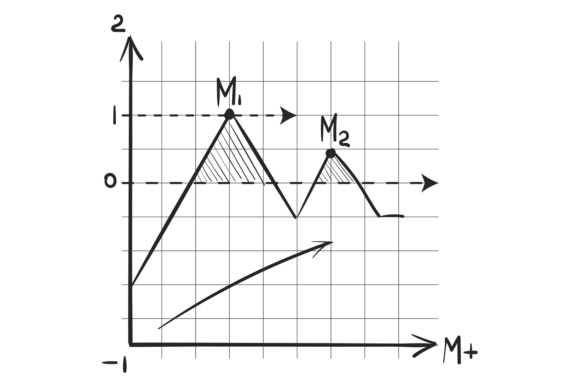
As an experienced embroidery designer and product reviewer, I always approach new machine embroidery designs with a mix of curiosity and caution. When I first saw the Line Chart Doodle — Decline Graph Infogra — it struck me as a versatile yet subtle visual element that could work well in both personal and commercial embroidery projects. This is not just another infographic icon; it’s a design that communicates data trends in a creative and modern way, making it ideal for branding, educational materials, or even fashion-forward apparel. Let’s dive into how this digital embroidery file performs in real-life applications.
First Impressions and Visual Personality
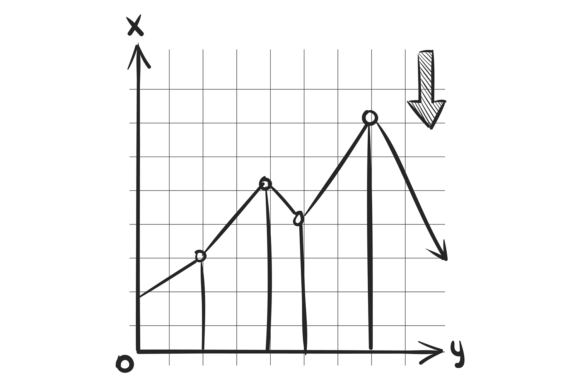
The Line Chart Doodle has a clean, minimalist vibe that immediately sets it apart from more cluttered or overly detailed graphics. It’s a stylized decline graph, rendered in soft curves and simple line strokes. The visual personality is professional but approachable, which makes it perfect for small shop products or handmade gifts where you want to convey a message without overwhelming the viewer.
Its layout is symmetrical and balanced, with the line chart taking center stage on a white background. As someone who frequently works with SVG and EPS files, I appreciate how the transparency in the PNG version allows for easy integration into other designs or mockups. Whether you're working on a printable mockup for your Etsy listing or stitching it onto a custom sweatshirt, the simplicity of this graphic helps it stand out without being too loud.
Real-Life Use Cases
Let’s imagine a scenario: You’re preparing a custom embroidered tote bag for a boutique client who sells wellness products. They want something that subtly reflects their brand’s focus on mindfulness and progress tracking. The Decline Graph Infogra would be a perfect fit here. Its soft lines and clear visual language can represent a journey or a trend — perhaps used in a design that encourages reflection or change.
- Sweatshirts and T-Shirts: The doodle style works especially well in casual wear. It adds a touch of modernity without clashing with the fabric texture. Just make sure the stitch density doesn’t overwhelm the garment’s look.
- Baby Clothes & Nursery Decor: While the theme may not scream “baby,” the gentle, abstract nature of the design can be softened with pastel thread colors and placed strategically on a onesie or pillow cover for a stylish, gender-neutral aesthetic.
- Embroidered Patches: This design would look great as a standalone patch, particularly if stitched in metallic threads for contrast. Ideal for adding a meaningful detail to denim jackets or bags.
- Custom Apparel for Small Businesses: If you're designing merchandise for a startup or a coaching business, the Line Chart Doodle can symbolize growth, goals, or mindset shifts. Pair it with text like “Track Your Progress” for a cohesive message.
- Holiday Gifts and Personalized Products: For gift items like tea towels or aprons, this design can serve as a unique focal point. It adds sophistication to kitchenware while keeping the overall look modern and uncluttered.
Stitching Clarity and Fabric Compatibility
One of the things I always check when evaluating an embroidery file is how well it translates across different fabrics. The Line Chart Doodle has no tiny lettering or intricate corners, so it should handle most standard fabrics quite well. However, keep in mind that thin or stretchy materials might distort the shape slightly, especially in areas with high stitch density.
If you plan to use this design on a tote bag made from canvas or cotton twill, it will hold up beautifully. But if you're embroidering on a silk-blend shirt or a spandex yoga pant, consider adjusting the stitch type or using a light stabilizer to prevent puckering. Also, dark fabrics can dull the effect unless there's a strong contrast between the thread colors and the base material.
Where to Use with Caution
While this design is flexible, there are some limitations worth noting. On curved surfaces like caps or hats, the symmetry of the chart may not align properly unless the hoop size is large enough to accommodate the curvature. Similarly, very small hoop sizes could compress the design, making the line chart lose its clarity and impact.
- Small Hoop Sizes: Avoid using this design in hooping areas under 4 inches. The details won’t have room to breathe.
- Textured Fabrics: Stitching on flannel or felt may result in a less defined finish. Test the design on a scrap piece first.
- Thin or Stretchy Materials: Delicate linens or knits may not support dense stitch areas without distortion.
- Detailed Corners: The corners of the chart are smooth, but they may require slight adjustment if placed near seams or edges.
- Frequent Washing: Since the design lacks bold outlines, ensure you use quality thread and proper backing to maintain stitch integrity over time.
Design Impact and Branding Value
In terms of visual appeal, the Line Chart Doodle brings a sense of calm professionalism to any project. It’s not flashy, but it is memorable. Customers tend to respond well to subtle, meaningful designs — especially when they reflect a story or concept. For instance, using it on a holiday gift item like a personalized ornament or mug can spark conversations about goals or life changes.
This design also supports brand consistency for businesses that want to incorporate data-driven visuals into their identity. It pairs nicely with sans-serif fonts and muted color palettes, giving off a modern, clean feel. As an embroidery project for an Etsy seller, it can elevate the perceived value of a product simply by showing attention to thoughtful detail.
Practical Designer Notes
Before you commit to using the Line Chart Doodle in your next batch of handmade products, take these steps to ensure the best results:
- Test on Scrap Fabric: Always run a test stitch before committing to a final product, especially if you’re using non-standard materials.
- Check Thread Color Contrast: Opt for contrasting thread colors to highlight the line chart against the fabric.
- Review Stitch Density: Look at the fill and running stitches to see if they’ll lay flat on your chosen fabric.
- Confirm Hoop Size: Make sure the hoop size matches the design dimensions provided in the file.
- Inspect Small Details: Even though the design isn’t overly complex, double-check that all elements stitch cleanly and don’t get lost in the process.
- Use Proper Stabilizer: Especially on stretchy or slippery fabrics, a cut-away or tear-away stabilizer can help maintain the design’s shape and clarity.
- Mockup in Black and White: Before choosing thread colors, visualize the design in grayscale to ensure it still looks good on lighter or darker backgrounds.
- Compare Light and Dark Fabrics: The mood of the design can shift depending on the fabric choice — play around with a few options to find the best match.
- Commercial Use Considerations: If you plan to sell finished products or digital assets based on this design, verify the licensing agreement to avoid legal issues.
Final Thoughts for Crafters and Designers
Overall, the Line Chart Doodle — Decline Graph Infogra — is a solid addition to any designer’s library of illustrations and graphics. It’s not a one-size-fits-all design, but when used correctly, it enhances the storytelling potential of your embroidery project. From sweatshirt embroidery to commercial embroidery for a growing craft business, this design offers a balance of form and function that’s hard to ignore.
What matters most is understanding the context in which it will appear. Will it be part of a larger applique design? Or will it stand alone as a symbolic infographic icon? Either way, the key is to let the design speak clearly and purposefully — and the Line Chart Doodle does that well.