Heavy Industry Factory Building Vector: A Bold Graphic Design Asset for Crafters
If you're a creative entrepreneur or an Etsy seller who's always on the lookout for fresh, versatile design assets, then Heavy Industry Factory Building Vector might just be the next big addition to your crafting toolkit. As someone who regularly works with SVG and PNG designs for handmade products, I’ve tested this graphic design asset in several real-life scenarios — from tumbler wraps to sublimation prints — and here’s what I found.
First Impressions: Industrial Strength Meets Creative Potential
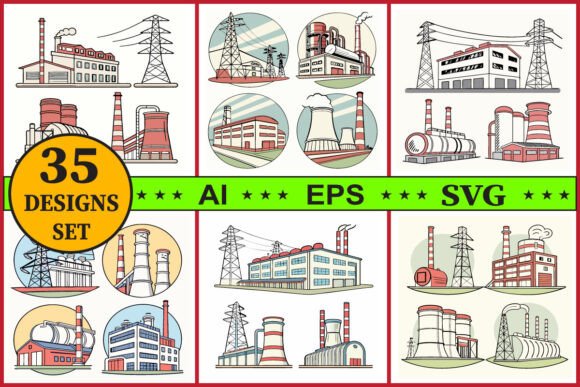
The first thing that struck me about Heavy Industry Factory Building Vector is its strong, bold visual language. These illustrations don’t shy away from their subject matter; they’re built to look like they belong on a gritty factory blueprint or a steampunk-inspired wall art piece. The set includes 35 detailed industrial factory illustrations, which means you can really lean into the theme if you want to create something with a mechanical, urban, or even dystopian vibe.
This vector set isn’t cute or cozy, but it definitely has an edge. It feels premium, almost architectural in its precision. If your target customer is into retro-futurism, manufacturing themes, or anything related to power, energy, or industry, this could be a perfect fit. It also suggests a more mature audience — think of hobbyists, educators, or small businesses looking for unique branding elements that stand out.
Real-World Use Cases for Handmade Product Makers
Let’s get practical. Here are some ways I’ve used Heavy Industry Factory Building Vector in actual handmade product workflows:
- Cricut Project: I applied one of the larger building files to a custom vinyl sign for a local craft fair booth. The clean lines and structured shapes worked great for cutting on Cricut Explore Air 2.
- Print-on-Demand Mug Design: I layered a few smaller factory components over a dark background for a mug design. The contrast made the image pop, and customers loved the edgy aesthetic.
- Tumbler Wrap: Used the full-size illustration as a base for a reusable tumbler wrap. It added a professional touch and felt right at home in a line of “industrial chic” drinkware.
- Printable Wall Art: For a client interested in modern office decor, I resized a couple of the buildings and paired them with a minimalist sans-serif font. The result was a striking, commercial-ready print.
- Planner Pages: One of the simpler, single-building designs worked well as a decorative accent on a weekly spread. It gave the layout a grounded, thematic feel without overwhelming the space.
What Kind of Products Shine with This Set?
Here are the top areas where Heavy Industry Factory Building Vector delivers the most value:
- Large Cut Files: The scale and detail of these graphics make them ideal for bigger projects like wall decals or large signage.
- Clean Printable Layouts: If you're designing posters, banners, or digital prints, these illustrations offer a strong focal point without unnecessary clutter.
- Seasonal Craft Bundles: While not overtly seasonal, the industrial theme can be adapted for holiday or event-based collections (e.g., “Factory New Year” or “Industrial Winter Wonderland”).
- Gift Products: Think about wrapping paper, gift tags, or even packaging for tech gadgets or DIY kits. The imagery adds a touch of sophistication and character.
- Decorative Accents: Use smaller components like smokestacks or gears as repeating patterns or corner embellishments in scrapbooking or planner stickers.
- Personalized Items: Pair the graphics with text like “Built to Last” or “Powering Your Life” to create meaningful, themed products.
- Product Mockups: These illustrations help visualize how your final product will look before going to print — especially useful for showcasing mugs, shirts, or tote bags on your Etsy shop page.
- Handmade Shop Collections: They work well in curated design bundles aimed at niche markets such as STEM-themed gifts, construction workers, or lovers of vintage machinery.
Where Caution Is Key When Using This Illustration Set
While Heavy Industry Factory Building Vector is powerful, it's not one-size-fits-all. Here are some situations where I’d recommend using it carefully:
- Very Small Cutting Details: Some of the finer details in the SVG may struggle to cut cleanly on smaller items like keychains or mini stickers. Always test first.
- Thin Lines and Crowded Compositions: If you plan to use multiple layers or intricate parts, simplify the design before sending it to your Cricut or Silhouette machine.
- Low-Contrast Color Schemes: The bold nature of these graphics needs a strong color palette to maintain visibility. Avoid using pale tones unless you're confident in your printer’s capabilities.
- Layered Vinyl Projects: Because of the complexity, some pieces may require too many layers for efficient production. Consider simplifying for vinyl-based crafts.
- Small Sticker Sizes: The size of the individual buildings may not scale well for tiny stickers. You’ll need to isolate specific parts or resize carefully.
Pro Tips for Using Heavy Industry Factory Building Vector Effectively
As a seasoned crafter, I know how important it is to test before you sell. Here are some steps I took to ensure this asset performed well across different formats:
- Test the File Before Selling Finished Products: Always run a sample through your Cricut or Silhouette cutter to see how it handles the material you’re using.
- Check if SVG Lines Are Clean: Open the file in Adobe Illustrator or a similar program to verify there are no overlapping paths or messy nodes.
- Preview PNG Transparency: If you're using the PNG version, check how it looks on both light and dark backgrounds to avoid unwanted shadows or halftones.
- Confirm Resolution for Sublimation: For sublimation printing, make sure the PNGs are high resolution (300 dpi) and colors are properly calibrated for heat transfer.
- Test Colors Before Printing: Especially if you're working with dark-colored substrates, do a quick print test to ensure the colors remain vibrant and legible.
- Place It on Real Mockups: Use mockup tools to preview how the design looks on actual products like mugs, t-shirts, or tote bags before listing it online.
- Resize It for Different Products: Don’t assume one size fits all. Resize each element appropriately depending on the item — a t-shirt needs a different layout than a greeting card.
- Simplify the Layout if Needed: Break apart complex images or reduce the number of layers to make them easier to handle in your workflow.
- Pair with Appropriate Fonts: These graphics have a strong presence, so choose fonts that complement them — try a bold serif for contrast or a clean sans-serif for balance.
- Confirm Commercial Licensing Before Using: Make sure the license allows for resale and commercial use, especially if you're creating customer orders or selling on Etsy or other marketplaces.
Why This Asset Is Worth Adding to Your Handmade Business Toolkit
Heavy Industry Factory Building Vector is a standout among graphic design assets because of its versatility and thematic depth. Whether you're making custom gear for a niche group or adding a bit of industrial flair to your seasonal collection, this set gives you a lot to work with.
For Etsy sellers, it opens up opportunities in categories like clipart, illustrations, and printables. Its architectural style can be reimagined for both men and women — picture a manly mug with a smokestack and a feminine planner with a soft pastel background and subtle factory accents.
And for those of us running small handmade businesses, this kind of commercial design helps build a cohesive brand identity. Imagine using these illustrations in your logo, packaging, or social media visuals — they add a level of professionalism and creativity that sets your products apart in a crowded marketplace.
Final Thoughts from a Real Crafter
In short, Heavy Industry Factory Building Vector is a valuable resource for anyone who wants to bring an industrial, bold, and architectural feel to their handmade creations. It’s particularly effective in Cricut project and printable design workflows, but remember to adapt it to your materials and audience preferences.
I’ve already started incorporating it into my next design bundle for handmade shop collections, and I’m excited to see how it resonates with buyers. If you're looking for a new way to elevate your graphic design asset game, give this one a try — just don’t skip the test runs!